

The shift to electric is the most visible success story in public transport. In 2025, zero-emission...
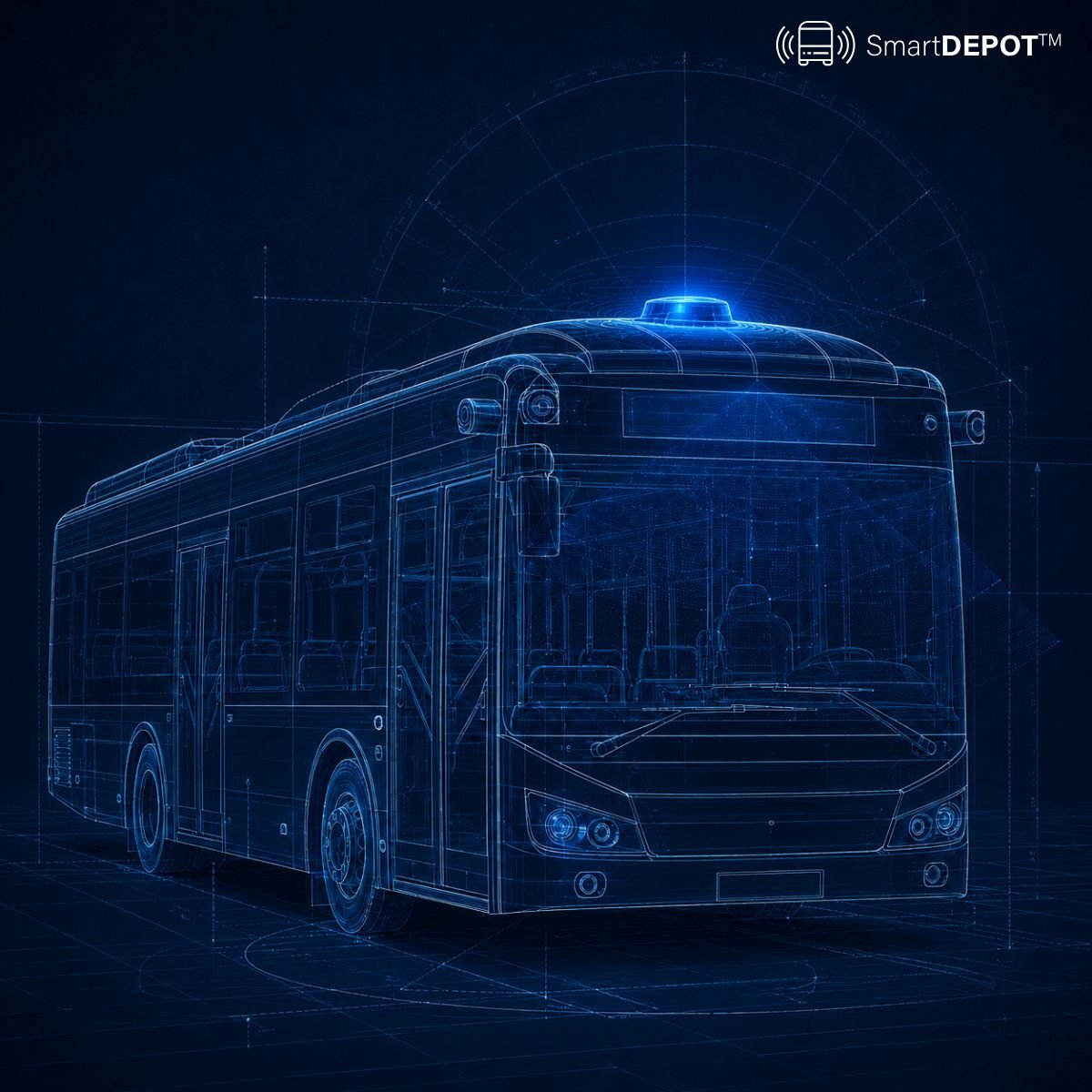
If you take one practical thing from this whole series, take this: the leverage point for depot autonomy is not a technology decision. It's a procurement decision. And the window for it is your next fleet renewal.
Here's the reasoning.
The most economically efficient way to introduce autonomous capability is at the point you're already buying buses — the normal replacement cycle. Do it then, and the investment aligns with budget cycles you already have. Try to do it any other way and you're into retrofitting, which is the expensive path.
And retrofit really is the worse path. When the autonomous driving system is factory-fitted by the OEM and certified as part of the bus type approval, you get a vehicle that is simpler, safer and far more commercially sustainable than one where a third party has bolted autonomy onto an existing bus afterwards. Drive-by-wire integration done at the platform level is clean. Drive-by-wire integration done as an aftermarket modification is a series of compromises. The factory is the right place to build a smartbus.
Which means the single most consequential sentence in your next tender is the one that decides whether you're buying ordinary buses or smartbuses. Put plainly: can the buses you're about to order be replaced with smartbuses? Does your specification require — or at least preserve the option for — autonomous depot-manoeuvring capability?
This is what I mean when I say the specification preserves or forecloses your future. A tender written without a thought for autonomy doesn't just skip a feature. It can lock you out of Level 4 for the entire 12-year life of that fleet, and force a retrofit conversation later at a worse price. A tender written with it — even if you don't switch the capability on for a year or two — keeps the door open at the lowest possible cost.
Let me be honest about where the market is, because it cuts both ways. MZA Warsaw published an early tender specifically for depot autonomous vehicles — smartbuses. It did not result in a qualified award at the time. That tells you two things. One: serious operators are already writing this requirement into procurement. Two: there's a real maturity gap between what forward operators are asking for and what the supply base can currently deliver against. I read that not as a reason to wait, but as the defining feature of a category that's still forming — and first movers are the ones who get to shape the specification the rest of the market eventually adopts.
Now, the reassuring part, because "rewrite the tender" sounds heavier than it is. You do not need a greenfield depot or a wholesale fleet replacement to begin. Smartbuses don't require major infrastructure changes, and they operate perfectly well alongside conventional buses. The sensible path is conservative and staged, and it fits the responsible use of public money:
- Start with one smartbus to validate feasibility in your actual depot.
- Expand to around ten to demonstrate scalability and develop your operating procedures and trained staff.
- Scale toward a hundred as part of a fleet-renewal programme, once the savings case is confirmed on your own site.
So the strategic-readiness conversation comes down to a short list of questions worth putting on the table now: What's our current maturity level? Do we have a fleet-renewal decision in the next 24 months — the natural integration point? What is our current shunting cost, in staff hours and incident costs, against the investment in autonomous capability? And do we have the digital foundation to support it, or does that need to come first?
You don't have to deploy autonomy tomorrow. But if you're signing a fleet tender in the next two years and it's silent on smartbuses, you're making a decade-long decision by accident. Make it on purpose.
The procurement guidance — including the questions to ask, the phased deployment path, and how OEM integration works — is in The State of Smart Depots 2026.

Before you finalise your next specification.